Category: Uncategorized

  • How to Study While Working Wastewater Shifts

    Shift Work Makes Studying Hard
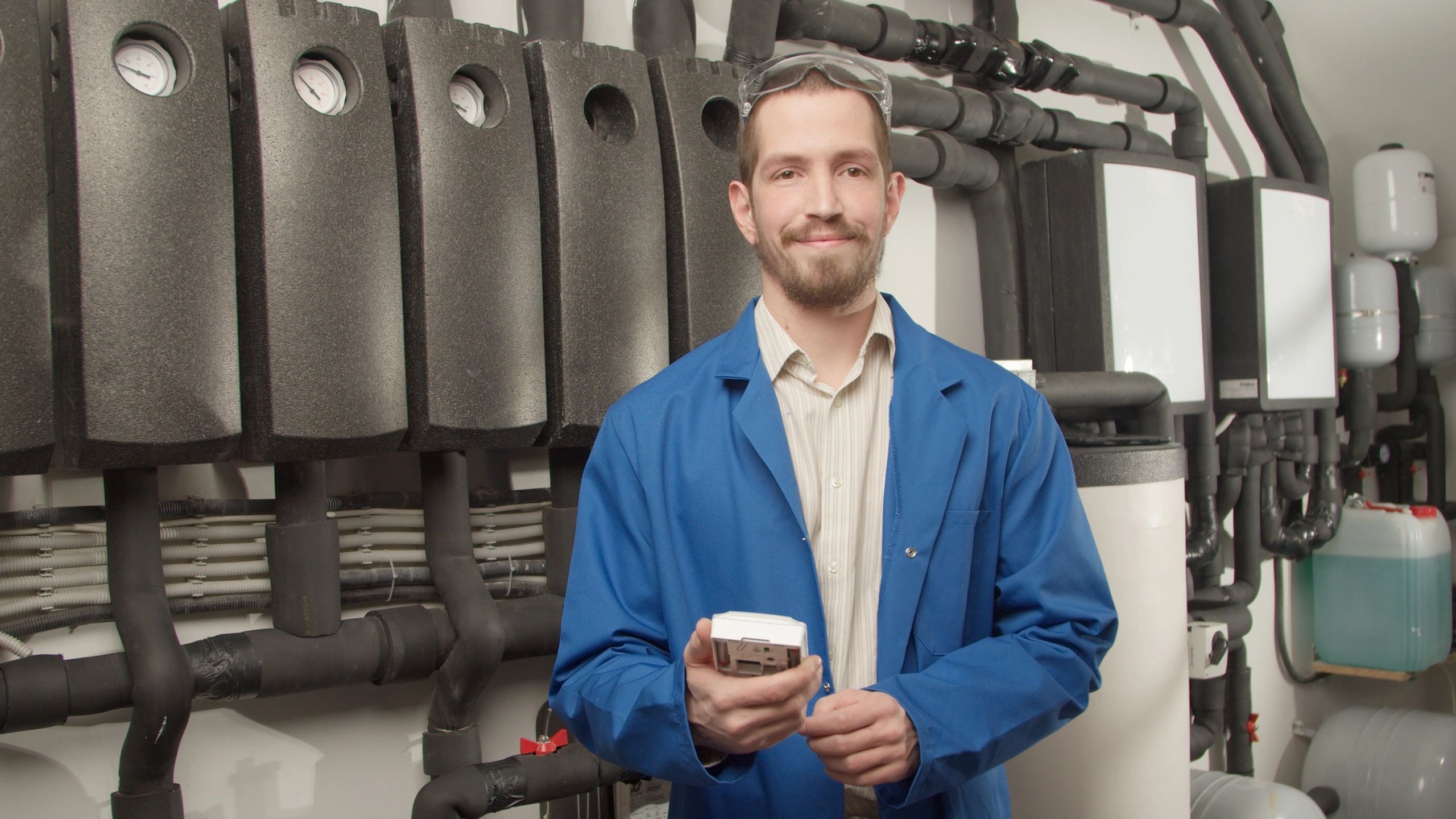
    Young engineer smiling at camera witch tablet

    Trying to study wastewater after:

    • night shifts
    • overtime
    • callouts

    Is brutal.

    The mistake most operators make is trying to study like college students.

    That usually fails.

    What Actually Worked for Me

    Instead of huge study sessions, I focused on:

    • short daily repetition
    • practical understanding
    • consistency

    Even 20–30 minutes daily adds up fast.

    Step 1: Study Around Your Energy Levels

    I learned quickly:

    • exhausted studying is low-quality studying

    So I studied:

    • before shifts
    • after rest
    • during quiet downtime

    Not when completely burned out.

    Step 2: Focus on High-Value Topics First

    I prioritized:

    • math formulas
    • activated sludge
    • troubleshooting
    • flow calculations

    These appear constantly on exams.

    Step 3: Use Real Plant Experience

    This is the advantage operators have.

    Connect concepts to:

    • clarifiers
    • aeration tanks
    • wasting
    • MLSS

    The information sticks much better.

    Step 4: Stop Trying to Memorize Everything

    Understanding beats memorization.

    Once you understand:

    • sludge age
    • wasting
    • DO control

    The formulas become easier naturally.

    Final Thought

    You do not need perfect study conditions to pass wastewater exams.

    You need consistency.

    Small daily effort beats cramming every time.
  • How to Get a Wastewater Job With No Experience

    Why This Is Easier Than Most People Think

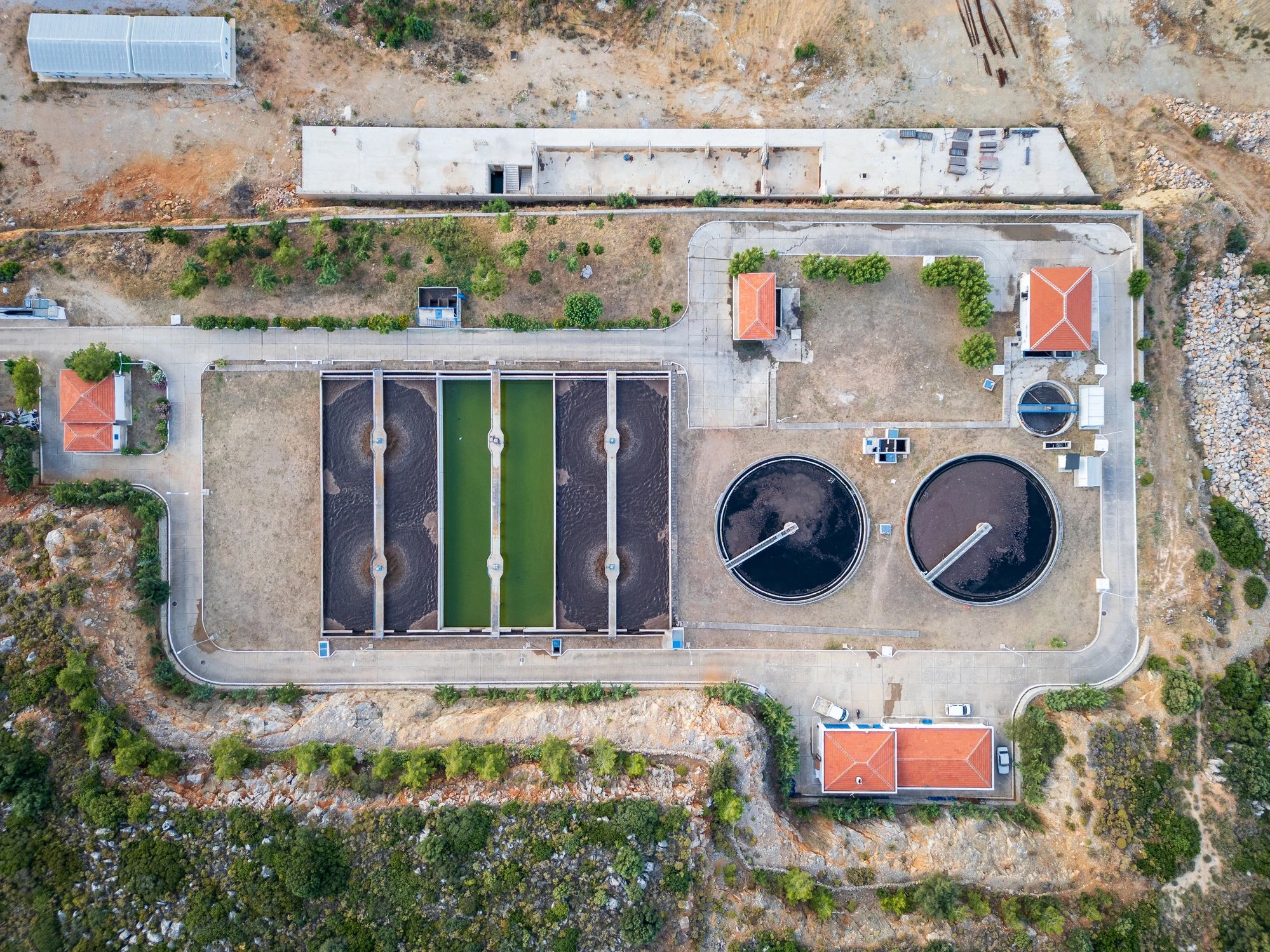
    Aerial view of wastewater treatment plant with sedimentation tanks and filtration pools

    A lot of people assume wastewater treatment jobs require years of experience, advanced education, or knowing someone in the industry.

    That’s not true.

    Most plants are struggling to find reliable people who:

    • show up consistently
    • can learn
    • are willing to work shifts
    • have mechanical awareness

    When I started learning about the field, I realized something important:

    👉 Plants can teach technical skills.
    What they really want is dependability.

    Step 1: Understand What Plants Actually Need

    Most entry-level wastewater jobs are looking for:

    • basic mechanical ability
    • willingness to learn
    • good attitude
    • reliability

    You do NOT need to know everything about activated sludge on day one.

    Small and rural plants especially are often willing to train the right person.

    Step 2: Get Your Foot in the Door Fast

    The fastest ways I’ve seen people get hired are:

    • trainee positions
    • operator-in-training (OIT) jobs
    • maintenance/helper positions
    • collections/distribution roles

    Once you’re inside the industry, moving up becomes much easier. The wastewater operator career path guide shows where those first roles can lead.

    Step 3: Get a Certification Early (Huge Advantage)

    Even a basic certification makes you stand out immediately.

    It shows:

    • initiative
    • seriousness
    • long-term interest

    A lot of applicants never do this.

    Step 4: Apply Even If You Don’t Feel Qualified

    This is a mistake I see constantly.

    People read:

    • “preferred experience”
      and assume:
    • “I shouldn’t apply.”

    Wrong.

    Many wastewater plants are desperate for dependable operators.

    Apply anyway.

    Step 5: Learn How to Talk in Interviews

    You don’t need to sound like an engineer.

    What managers want to hear:

    • “I learn quickly”
    • “I’m dependable”
    • “I work well independently”
    • “I can handle responsibility”

    That matters more than memorizing textbook definitions.

    Once you land the job, what new wastewater operators get wrong can help you avoid common early mistakes.

    Final Thought

    Wastewater is one of the few industries left where someone can still build a stable career without a four-year degree.

    If you’re willing to learn and stick with it, there’s real opportunity here.

    Read more…

    Wastewater operator salary increase tips

  • 5 Smart Career Moves for Wastewater Operators Ready to Grow

    5 Smart Career Moves for Wastewater Operators Ready to Grow

    Build a Stronger Path

    Wastewater operations is a career built on skill, consistency, and public trust. Whether you are just entering the field or looking to move into a higher-responsibility role, steady professional growth comes from practical habits that improve your knowledge, confidence, and day-to-day performance.

    At Ops Climb, the goal is simple: help wastewater operators grow with useful guidance that fits the real demands of the job. Here are five smart career moves that can help you stand out and keep advancing.

    • Strengthen your understanding of plant processes and why they matter
    • Keep your certifications and continuing education on track
    • Document wins, projects, and problem-solving examples
    • Learn from experienced operators and ask better questions
    • Stay informed on safety, compliance, and industry changes

    1. Know More Than Your Shift

    Operators who grow fastest usually look beyond their immediate routine. When you understand how upstream and downstream processes connect, you become more valuable to your team and better prepared to troubleshoot issues before they escalate.

    The more you understand the full system, the more confidently you can respond when conditions change.

    2. Treat Certification Like a Career Tool

    Certifications are not just boxes to check. They can open doors to better roles, stronger pay, and more responsibility. Build a simple plan for exam prep, renewal deadlines, and continuing education so you are always ready for the next opportunity.

    3. Track Your Progress

    Keep notes on projects you helped complete, equipment issues you solved, training you finished, and improvements you contributed to. This record becomes useful when updating your resume, preparing for interviews, or discussing advancement with supervisors.

    4. Learn From the Field

    Some of the best career advice comes from experienced operators, maintenance staff, and supervisors who have seen what works over time. Ask thoughtful questions, observe how others approach problems, and stay open to lessons that are not found in a manual.

    5. Stay Current and Stay Ready

    Regulations, treatment technologies, and workforce expectations continue to evolve. Staying informed helps you make better decisions, protect public health, and position yourself as a dependable professional who is ready for what comes next.

    Ops Climb exists to support wastewater operators with practical insights, career guidance, and resources that help turn experience into progress. If you want to keep moving forward in the industry, start with small consistent steps and keep building from there.