Category: Uncategorized

  • Wastewater Plant Startup Procedures: A Complete Guide for Operators

    Starting up wastewater treatment equipment is one of the most critical tasks an operator performs. Whether you’re bringing a pump online after maintenance, restarting a blower, returning a clarifier to service, or recovering from a plant-wide shutdown, proper startup procedures help protect equipment, maintain treatment performance, and prevent permit violations.

    A rushed or incomplete startup can lead to equipment damage, process upsets, safety incidents, and costly downtime.

    In this guide, I’ll walk through the importance of wastewater plant startup procedures, common startup steps, safety considerations, and best practices every operator should follow.

    Why Startup Procedures Matter

    Wastewater treatment systems are designed to operate continuously. When equipment is taken offline, even temporarily, conditions throughout the treatment process can change.

    During shutdown periods:

    • Biological activity may decrease
    • Solids can settle in piping
    • Equipment lubrication may drain away
    • Chemical feed systems may become inactive
    • Sensors may require recalibration
    • Process flows may shift unexpectedly

    Startup procedures help operators identify and correct these issues before they become larger problems.

    A good startup process protects:

    • Personnel safety
    • Treatment efficiency
    • Equipment reliability
    • Permit compliance
    • Plant infrastructure

    Review Startup Plans Before Beginning

    Before any startup begins, operators should review facility-specific procedures.

    Every wastewater plant is different. Equipment configurations, process requirements, and manufacturer recommendations can vary significantly.

    Before starting equipment, verify:

    • Startup authorization has been granted
    • Maintenance work is complete
    • Lockout/tagout devices have been removed properly
    • Required inspections have been completed
    • Necessary personnel have been notified
    • Startup documentation is available

    Never rely solely on memory when performing major startups.

    Written procedures reduce mistakes and improve consistency between operators and shifts.

    Conduct a Safety Inspection

    Safety should always be the first step of any startup.

    Before energizing equipment, inspect the area for potential hazards.

    Look for:

    • Tools left behind
    • Open electrical panels
    • Loose guards
    • Leaks
    • Trip hazards
    • Unsecured equipment
    • Confined space concerns

    Verify all safety devices are functioning properly.

    These may include:

    • Emergency stops
    • Safety interlocks
    • Alarms
    • Ventilation systems
    • Gas detection equipment

    Never bypass safety devices simply to get equipment running.

    Inspect Equipment Before Startup

    A thorough equipment inspection can prevent many startup failures.

    Check for:

    Pumps

    • Proper lubrication
    • Seal condition
    • Valve positions
    • Alignment issues
    • Unusual wear

    Blowers

    • Oil levels
    • Belt condition
    • Air filter cleanliness
    • Cooling systems

    Motors

    • Visible damage
    • Electrical connections
    • Ventilation openings
    • Bearing condition

    Clarifiers

    • Mechanical drive condition
    • Weirs and launders
    • Sludge collection mechanisms
    • Scum removal equipment

    Any abnormal conditions should be addressed before startup continues.

    Verify Utility Systems

    Many pieces of wastewater equipment depend on supporting systems.

    Before startup, verify:

    • Electrical power is available
    • Instrument air systems are operational
    • Water supply systems are functioning
    • Chemical feed systems are ready
    • SCADA communication is active

    Equipment may appear ready but still fail if supporting systems are unavailable.

    Confirm Valve Positions

    Incorrect valve positions are a common cause of startup problems.

    Operators should verify that valves are positioned according to startup procedures.

    Examples include:

    • Pump suction valves open
    • Pump discharge valves correctly positioned
    • Air supply valves aligned properly
    • Bypass valves configured correctly
    • Isolation valves removed from service

    Valve verification is especially important following maintenance activities.

    Start Equipment Gradually

    Avoid the temptation to bring everything online at once.

    A controlled startup allows operators to identify problems before they affect larger portions of the treatment process.

    During startup:

    • Monitor vibration
    • Listen for unusual noises
    • Check temperatures
    • Observe pressure readings
    • Watch flow rates
    • Verify amperage draw

    If abnormal conditions develop, stop and investigate before proceeding.

    A few extra minutes spent monitoring can prevent major repairs later.

    Monitor Biological Treatment Processes

    Activated sludge systems require special attention following shutdowns.

    Extended downtime can affect microorganisms responsible for treatment.

    During startup, monitor:

    • Dissolved oxygen
    • Mixed liquor suspended solids
    • Ammonia levels
    • pH
    • Sludge settling characteristics
    • Aeration performance

    Biological systems often need time to stabilize after extended shutdown periods.

    Operators should increase monitoring frequency until process conditions return to normal.

    Verify Instrumentation and Controls

    Modern wastewater plants depend heavily on instrumentation.

    After startup, verify operation of:

    • Flow meters
    • Dissolved oxygen probes
    • pH meters
    • Level sensors
    • Chemical analyzers
    • Pressure transmitters

    Instrumentation errors can lead operators to make incorrect process adjustments.

    Calibration checks may be necessary before relying on instrument readings.

    Watch for Common Startup Problems

    Even well-planned startups can encounter issues.

    Common problems include:

    Air Binding

    Pumps may fail to prime due to trapped air.

    Equipment Overheating

    Motors and bearings can overheat if lubrication is inadequate.

    Excessive Vibration

    Misalignment or damaged components may become apparent during startup.

    Instrument Failures

    Sensors may drift or fail after extended downtime.

    Process Upsets

    Biological treatment systems may require time to recover.

    Identifying these issues early can minimize impacts on treatment performance.

    Document Startup Activities

    Good operators document everything.

    Startup records should include:

    • Date and time
    • Equipment started
    • Personnel involved
    • Operating conditions
    • Inspection findings
    • Process observations
    • Problems encountered
    • Corrective actions taken

    Accurate documentation provides valuable information for future startups and troubleshooting efforts.

    Example Wastewater Startup Checklist

    A basic startup checklist may include:

    Before Startup

    ✓ Review startup procedures

    ✓ Verify maintenance completion

    ✓ Remove lockout/tagout devices

    ✓ Notify affected personnel

    ✓ Inspect equipment condition

    ✓ Verify lubrication levels

    ✓ Confirm valve positions

    ✓ Check utility systems

    During Startup

    ✓ Start equipment according to procedure

    ✓ Monitor vibration

    ✓ Check temperatures

    ✓ Verify flow rates

    ✓ Observe pressure readings

    ✓ Confirm alarm operation

    After Startup

    ✓ Inspect for leaks

    ✓ Monitor process performance

    ✓ Verify instrumentation

    ✓ Record operating data

    ✓ Complete startup documentation

    Every facility should customize checklists based on equipment and process requirements.

    Best Practices for Successful Startups

    Experienced operators often follow several key principles:

    • Never rush a startup
    • Use written procedures
    • Communicate with coworkers
    • Verify equipment condition personally
    • Monitor closely after startup
    • Document everything
    • Prioritize safety over speed

    Many startup failures occur because operators assume everything is ready rather than verifying it.

    Taking a few extra minutes to inspect and confirm conditions can prevent hours of troubleshooting later.

    Final Thoughts

    Wastewater plant startup procedures are more than a simple checklist. They are a critical part of protecting equipment, maintaining treatment performance, and ensuring operator safety.

    Whether you’re starting a single pump or bringing an entire treatment process back online, a systematic approach reduces risk and improves reliability.

    The best operators understand that successful startups begin long before the start button is pressed. They plan carefully, inspect thoroughly, communicate effectively, and monitor closely until normal operation is restored.

    By following consistent startup procedures, wastewater facilities can reduce downtime, prevent equipment damage, and maintain compliance while delivering reliable treatment to the communities they serve.

  • The Complete Wastewater Treatment Plant Operations Guide

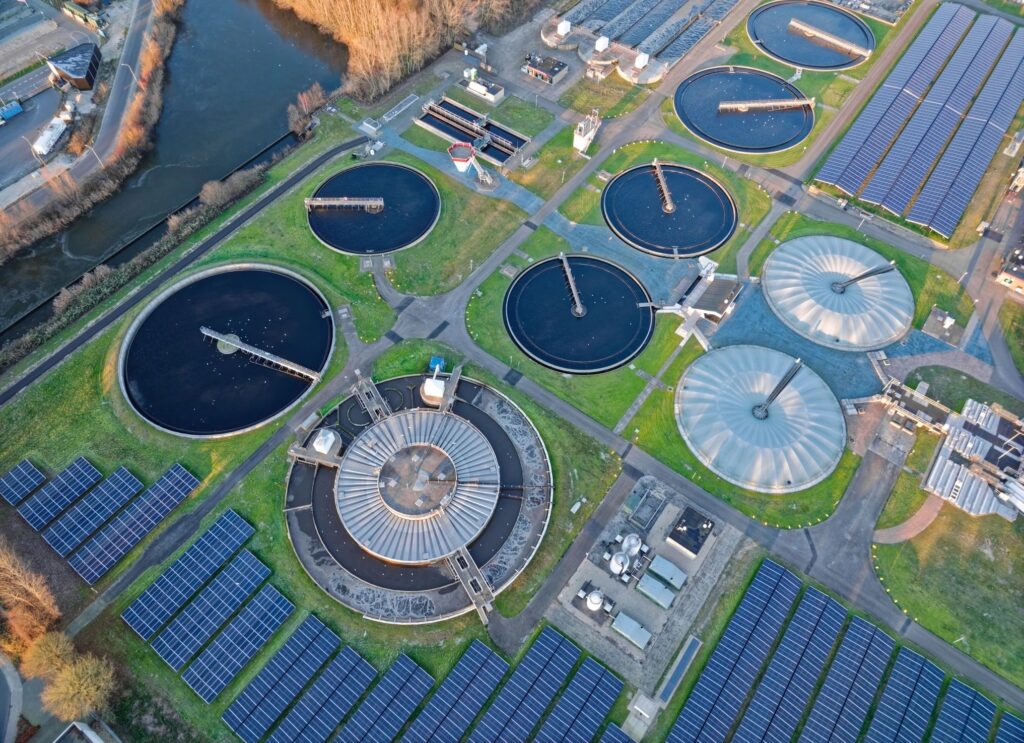
    Aerial view of modern wastewater treatment plant with solar panels
    Wastewater treatment plant performing biological purification and generating green energy with solar panels

    Operating a wastewater treatment plant is about much more than turning pumps on and off. Every day, operators are responsible for protecting public health, meeting permit requirements, maintaining equipment, collecting accurate data, and ensuring the treatment process runs efficiently.

    Whether you’re a new operator, an Operator-in-Training (OIT), or an experienced professional looking to improve your plant’s performance, understanding the fundamentals of wastewater plant operations is essential.

    This guide covers the core responsibilities of wastewater treatment plant operations and provides links to key areas every operator should understand.

    Understanding Wastewater Plant Operations

    The primary goal of a wastewater treatment plant is simple: remove contaminants from wastewater before it is discharged back into the environment.

    Achieving this goal requires operators to manage several interconnected systems, including:

    • Preliminary treatment
    • Primary clarification
    • Biological treatment
    • Secondary clarification
    • Disinfection
    • Sludge handling and processing
    • Laboratory testing
    • Equipment maintenance

    A problem in any one of these areas can affect the entire treatment process.

    Successful operators develop a routine that combines process monitoring, equipment inspections, preventative maintenance, and documentation.

    Wastewater Plant Startup Procedures

    Startup procedures are critical whenever a treatment process, pump station, clarifier, blower, or entire facility has been offline.

    A proper startup helps prevent:

    • Equipment damage
    • Process upsets
    • Permit violations
    • Safety hazards

    Before startup, operators should:

    • Verify equipment condition
    • Check lubrication levels
    • Inspect valves and piping
    • Confirm power availability
    • Review startup checklists
    • Monitor process performance closely after startup

    Every facility should maintain written startup procedures specific to its equipment and treatment processes.

    Wastewater Plant Shutdown Procedures

    Shutdowns may be planned or unplanned.

    Planned shutdowns typically occur during maintenance projects, equipment replacement, or process modifications.

    Operators should:

    • Notify affected personnel
    • Follow lockout/tagout procedures
    • Secure treatment processes
    • Protect equipment from damage
    • Document shutdown activities

    Emergency shutdown procedures should also be established and practiced regularly.

    Having a clear shutdown plan can significantly reduce downtime and operational risks.

    Wastewater Operator Daily Duties

    The day-to-day responsibilities of wastewater operators often include:

    Plant Inspections

    Operators perform routine walkthroughs to identify:

    • Leaks
    • Unusual noises
    • Equipment malfunctions
    • Safety hazards
    • Process abnormalities

    Process Monitoring

    Operators monitor:

    • Dissolved oxygen
    • pH
    • MLSS
    • Sludge blanket levels
    • Flow rates
    • Chlorine residuals
    • Effluent quality

    Record Keeping

    Accurate records help demonstrate compliance and identify process trends before they become major problems.

    Documentation may include:

    • Flow readings
    • Laboratory results
    • Maintenance activities
    • Chemical usage
    • Equipment inspections

    Consistent recordkeeping is one of the most important habits an operator can develop.

    Wastewater Laboratory Testing Procedures

    Laboratory testing provides the data operators need to make process control decisions.

    Common wastewater laboratory tests include:

    • pH
    • Dissolved oxygen
    • BOD
    • TSS
    • Ammonia
    • Nitrate
    • Phosphorus
    • Chlorine residual

    Testing procedures should follow approved methods and quality control requirements.

    Even small testing errors can lead to incorrect process adjustments and regulatory issues.

    Wastewater Sample Collection Procedures

    A laboratory result is only as good as the sample collected.

    Operators should understand:

    • Grab sampling
    • Composite sampling
    • Sample preservation
    • Chain of custody requirements
    • Proper sample locations
    • Holding times

    Consistent sampling techniques help ensure data accuracy and regulatory compliance.

    Improper sampling can produce misleading results that affect operational decisions.

    Wastewater Treatment Safety Procedures

    Safety must remain the highest priority in any wastewater facility.

    Common hazards include:

    • Confined spaces
    • Electrical systems
    • Rotating equipment
    • Hazardous chemicals
    • Biological exposure
    • Slips, trips, and falls

    Every operator should receive training in:

    • Lockout/tagout
    • Confined space entry
    • Chemical handling
    • Emergency response
    • PPE requirements

    Strong safety cultures protect employees and improve overall plant performance.

    Preventive Maintenance in Wastewater Plants

    The most reliable facilities focus heavily on preventive maintenance.

    Rather than waiting for equipment failures, operators perform routine inspections and maintenance tasks to prevent problems before they occur.

    Preventive maintenance may include:

    • Lubrication schedules
    • Pump inspections
    • Motor testing
    • Belt replacement
    • Vibration monitoring
    • Valve exercising
    • Instrument calibration

    A well-implemented maintenance program reduces emergency repairs and extends equipment life.

    Wastewater Maintenance Checklists

    Maintenance checklists help ensure critical tasks are not overlooked.

    Many facilities use checklists for:

    Daily Tasks

    • Pump inspections
    • Blower inspections
    • Chemical feed checks
    • Flow verification

    Weekly Tasks

    • Equipment cleaning
    • Lubrication checks
    • Safety equipment inspections

    Monthly Tasks

    • Calibration verification
    • Preventive maintenance inspections
    • Backup equipment testing

    Standardized checklists improve consistency across shifts and operators.

    Wastewater Operator Log Sheets

    Shift logs provide a record of plant conditions and activities.

    A good log sheet should include:

    • Date and time
    • Weather conditions
    • Flow readings
    • Process observations
    • Equipment issues
    • Maintenance activities
    • Laboratory results
    • Operator notes

    Well-maintained logs help identify trends, improve communication, and support regulatory compliance.

    Wastewater Treatment Plant Checklists

    Checklists are among the most effective tools operators can use.

    Examples include:

    • Startup checklists
    • Shutdown checklists
    • Safety inspection checklists
    • Maintenance checklists
    • Laboratory checklists
    • Compliance checklists

    Checklists help reduce mistakes, improve accountability, and ensure important tasks are completed consistently.

    Building a Successful Wastewater Operations Program

    The best wastewater treatment plants share several characteristics:

    • Strong safety culture
    • Accurate recordkeeping
    • Preventive maintenance programs
    • Consistent laboratory testing
    • Clear operating procedures
    • Continuous operator training

    Success in wastewater operations is rarely the result of one major action. It comes from performing hundreds of small tasks correctly every day.

    Operators who focus on safety, process control, maintenance, and documentation create facilities that run more efficiently, experience fewer permit violations, and provide better service to their communities.

    Final Thoughts

    Wastewater treatment plant operations require technical knowledge, attention to detail, and a commitment to continuous improvement.

    Whether you’re monitoring biological treatment, collecting samples, maintaining equipment, or documenting plant performance, every task plays an important role in protecting public health and the environment.

    By mastering startup procedures, shutdown procedures, laboratory testing, safety practices, preventive maintenance, and daily operational routines, operators can build successful careers while helping their facilities operate at the highest level.

  • How Shift Work Changes Your Life (The Good, the Bad, and the Things Nobody Warns You About)

    When most people think about a wastewater treatment plant, they think about pumps, pipes, and treatment processes.

    What they don’t think about is the schedule.

    One of the biggest adjustments for many wastewater operators isn’t learning biology or process control—it’s learning how to live with shift work.

    Before working shifts, it’s easy to assume that a different schedule simply means sleeping at different hours. In reality, shift work affects almost every part of your life.

    Some of those changes are positive.

    Some are challenging.

    And some are things nobody fully understands until they experience them firsthand.

    If you are trying to adapt faster, these wastewater shift work survival tips can help you build better routines from the start.

    Your Relationship With Time Changes

    One of the first things you’ll notice is that your schedule no longer matches the rest of the world.

    While friends and family are:

    • Eating dinner
    • Attending birthday parties
    • Watching football games
    • Enjoying holidays

    You might be:

    • Making rounds
    • Responding to alarms
    • Collecting samples
    • Monitoring plant operations

    The traditional Monday-through-Friday schedule becomes something that applies to other people.

    You begin planning life around shifts instead of planning shifts around life.

    At first, that adjustment can feel strange.

    Eventually, it becomes normal.

    Sleep Becomes More Important Than Ever

    Many new operators underestimate how important sleep becomes when working shifts.

    When you’re working nights, rotating schedules, or extended hours, sleep isn’t just about feeling rested.

    It’s about:

    • Safety
    • Decision-making
    • Health
    • Performance

    Experienced operators quickly learn that protecting sleep is one of the most important things they can do.

    You may find yourself becoming surprisingly protective of:

    • Quiet rooms
    • Blackout curtains
    • Consistent routines
    • Recovery time

    Because once you’ve worked a few shifts on poor sleep, you understand how much it matters.

    Holidays Feel Different

    One thing nobody tells you is how many holidays you’ll spend at work.

    Wastewater treatment plants don’t shut down for:

    • Christmas
    • Thanksgiving
    • New Year’s Day
    • Independence Day

    The process continues regardless of what’s on the calendar.

    There will be years when you’re eating holiday meals before your shift, after your shift, or on a completely different day.

    At first, this can be frustrating.

    Over time, many operators learn that holidays are less about specific dates and more about spending time with the people who matter.

    You Learn to Appreciate Time Off More

    One unexpected benefit of shift work is that many operators become better at appreciating their days off.

    When free time feels limited, it often becomes more valuable.

    Instead of taking weekends for granted, operators frequently become more intentional about:

    • Family time
    • Hobbies
    • Vacations
    • Personal goals

    You learn quickly that time is one of your most valuable resources.

    Your Family Has to Adjust Too

    Shift work doesn’t just affect operators.

    It affects spouses, children, and families.

    Sometimes you’ll miss:

    • School events
    • Family dinners
    • Social gatherings
    • Weekend activities

    That reality can be difficult.

    The most successful shift workers often have strong communication and support systems at home.

    Family members who understand the demands of the job make a tremendous difference.

    Your Health Requires More Attention

    Shift work can make healthy habits more difficult.

    It’s easy to fall into routines that involve:

    • Fast food
    • Energy drinks
    • Excessive caffeine
    • Inconsistent sleep
    • Limited exercise

    Many experienced operators eventually realize they have to be intentional about maintaining their health.

    The operators who thrive long-term usually prioritize:

    • Sleep
    • Nutrition
    • Exercise
    • Stress management

    Because the schedule won’t do it for them.

    You Learn Who Your Real Friends Are

    One interesting side effect of shift work is that it changes social relationships.

    Some people won’t understand why you can’t always attend events.

    Others will.

    Over time, you learn which friendships can adapt to unconventional schedules.

    The people who continue making an effort often become your closest relationships.

    You Become More Adaptable

    Shift workers develop flexibility that many people never have to learn.

    You become comfortable with:

    • Unexpected schedule changes
    • Emergencies
    • Call-outs
    • Overtime
    • Working when others are sleeping

    That adaptability often carries over into other areas of life.

    Many operators become excellent problem solvers because their careers require constant adjustment.

    The Overtime Can Be Tempting

    One of the biggest benefits of shift work is often overtime.

    Extra hours can significantly increase income.

    However, there’s a trap many operators fall into.

    The money becomes addictive.

    Operators begin saying yes to every available shift.

    At first, the paycheck looks great.

    Eventually, exhaustion catches up.

    The challenge is finding a balance between earning more and protecting your physical and mental health.

    You Gain a Different Perspective

    Working nights changes the way you view the world.

    You see:

    • Sunrises most people miss
    • Empty roads
    • Quiet cities
    • Operations running while everyone else sleeps

    There is something unique about being part of the workforce that keeps essential services functioning around the clock.

    It creates a sense of responsibility that many operators take pride in.

    Burnout Is a Real Risk

    One of the biggest dangers of shift work is burnout.

    The combination of:

    • Long hours
    • Staffing shortages
    • Sleep disruption
    • Family demands
    • Overtime

    can wear people down over time.

    Burnout rarely happens all at once.

    It develops gradually.

    The operators who last longest are usually the ones who recognize the warning signs early and make adjustments before exhaustion becomes overwhelming. If that sounds familiar, read why wastewater operators burn out and how to prevent it for a deeper look.

    The Job Becomes Part of Your Identity

    Many operators discover that shift work changes more than their schedule.

    It changes their lifestyle.

    You start thinking differently about:

    • Sleep
    • Time management
    • Family events
    • Vacations
    • Personal priorities

    Over time, being a shift worker becomes part of who you are.

    Not because you planned it that way, but because the schedule shapes how you live.

    The Good Often Outweighs the Bad

    Despite the challenges, many operators stay in wastewater for decades.

    Why?

    Because shift work also provides:

    • Stable employment
    • Strong benefits
    • Overtime opportunities
    • Meaningful work
    • Career growth

    The schedule isn’t always easy.

    But for many operators, the career it supports is worth the tradeoff.

    Final Thoughts

    Shift work changes your life in ways most people don’t understand.

    It affects your sleep, your relationships, your health, and your perspective on time itself.

    Some days you’ll wonder why anyone chooses this schedule.

    Other days you’ll appreciate the flexibility, independence, and opportunities it provides.

    The key is understanding that shift work isn’t something you simply survive.

    It’s something you learn to manage.

    The operators who build successful careers aren’t necessarily the toughest or the smartest.

    They’re often the ones who learn how to protect their health, value their time, and create balance in a profession that never sleeps.

  • Things Nobody Tells You About Working Wastewater

    Things Nobody Tells You About Working in Wastewater

    When most people hear the word “wastewater,” they immediately think about sewage.

    That’s understandable.

    Before I got into the industry, I assumed wastewater operators spent all day dealing with unpleasant smells and dirty water. What I quickly learned was that the job is far more interesting—and far more challenging—than most people realize.

    Wastewater treatment is one of the most important professions that nobody talks about. Operators protect public health, safeguard the environment, and keep communities functioning every day.

    But there are some things about the job that nobody really tells you until you’re actually doing it.

    Here are some of the biggest surprises about working in wastewater.

    The Smell Isn’t Usually What Gets You

    The first question most wastewater operators get is:

    “How do you deal with the smell?”

    Ironically, the smell often becomes one of the least important parts of the job.

    Most operators get used to normal plant odors fairly quickly.

    What surprises many new operators is that certain process upsets, lift stations, industrial discharges, or sludge handling areas can produce odors that still catch experienced operators off guard.

    You never completely stop encountering smells that make you question your career choices.

    Fortunately, those moments are usually temporary.

    You’re Constantly Learning

    Many people think wastewater is a simple operational job.

    The reality is that the learning never stops.

    Operators learn about:

    • Biology
    • Chemistry
    • Mechanical systems
    • Electrical equipment
    • Pumps
    • Motors
    • Process control
    • Regulations
    • Laboratory testing

    Some days you’ll feel like a scientist.

    Other days you’ll feel like a mechanic.

    And occasionally you’ll feel like both at the same time.

    The operators who enjoy learning tend to enjoy the career the most.

    You Become a Problem Solver

    Wastewater treatment plants are full of moving parts.

    Equipment fails.

    Influent changes.

    Storms happen.

    Industrial users create surprises.

    Alarms go off at inconvenient times.

    Successful operators develop strong troubleshooting skills because every day presents a different challenge.

    Many people enter wastewater expecting a routine job.

    What they often find is a career built around solving problems.

    Nobody Notices You Until Something Goes Wrong

    When a wastewater plant operates properly, most people never think about it.

    The public rarely notices:

    • Permit compliance
    • Effluent quality
    • Process optimization
    • Preventative maintenance

    But if something fails, everyone suddenly pays attention.

    Wastewater is one of those professions where success often means nobody knows you exist.

    That’s not necessarily a bad thing, but it can feel strange at first.

    The Responsibility Is Bigger Than You Expect

    Many new operators underestimate the responsibility involved.

    Your decisions can affect:

    • Public health
    • Local waterways
    • Permit compliance
    • Plant performance
    • Municipal budgets

    At first, this responsibility can feel intimidating.

    Over time, it becomes one of the most rewarding parts of the profession.

    You realize your work genuinely matters.

    Shift Work Can Be Tough

    Wastewater treatment never shuts down.

    That means many operators work:

    • Nights
    • Weekends
    • Holidays
    • Rotating shifts
    • Emergency call-outs

    Nobody really understands the challenges of shift work until they experience it. For a deeper look, read how shift work changes your life.

    Family gatherings, holiday dinners, and weekend plans sometimes have to be adjusted around operational needs.

    The good news is that many operators enjoy the schedule flexibility and overtime opportunities that come with shift work.

    You’ll See Things Most People Never See

    Working in wastewater gives you a unique perspective on how communities function.

    You gain firsthand knowledge of:

    • Infrastructure
    • Water quality
    • Environmental protection
    • Treatment processes

    You also learn things about human behavior that are sometimes hilarious and sometimes concerning.

    After enough years in wastewater, very little surprises you anymore.

    The Industry Is Full of Interesting People

    One thing that rarely gets mentioned is the variety of backgrounds in wastewater.

    Operators come from:

    • Construction
    • Manufacturing
    • Military service
    • Farming
    • Mechanics
    • Engineering
    • Laboratory sciences

    Because of this, you often work alongside people with vastly different experiences and skill sets.

    Many operators develop lifelong friendships within the industry.

    The Best Operators Are Usually Humble

    New operators often assume the most respected people at a plant are the loudest.

    In reality, the most respected operators are often:

    • Calm
    • Knowledgeable
    • Reliable
    • Professional

    The longer you work in wastewater, the more you realize that competence speaks louder than ego.

    The operators everyone relies on rarely feel the need to remind people how good they are.

    Certification Can Change Your Life

    Nobody told me how much certifications could impact a career.

    Higher certifications often lead to:

    • Better pay
    • More responsibility
    • Leadership opportunities
    • Greater job security

    Many operators discover that wastewater offers far more career growth than they expected when they first entered the field. This wastewater operator career path guide shows where that growth can lead.

    You’ll Gain Confidence

    One unexpected benefit of wastewater is the confidence it builds.

    Over time, you’ll learn how to:

    • Solve difficult problems
    • Handle emergencies
    • Make operational decisions
    • Work independently

    The confidence developed through years of troubleshooting and responsibility often carries over into other areas of life.

    Some Days Are Boring

    Let’s be honest.

    Not every day is exciting.

    Some days involve:

    • Routine rounds
    • Sampling
    • Cleaning
    • Documentation
    • Preventative maintenance

    But even routine days are important because they help prevent major problems later.

    The boring days are often what make the exciting days manageable.

    It Can Become More Than Just a Job

    Many operators enter wastewater looking for stable employment.

    What they often find is a profession.

    The industry offers:

    • Continuous learning
    • Career advancement
    • Meaningful work
    • Strong relationships
    • Long-term stability

    For many operators, wastewater becomes something they take pride in rather than simply a paycheck.

    Final Thoughts

    Nobody tells you that wastewater is a career where you’ll wear many hats.

    You’ll be a problem solver, technician, scientist, mechanic, investigator, and sometimes even a teacher.

    The work can be challenging.

    The hours can be demanding.

    The responsibility is real.

    But for those willing to learn and grow, wastewater can provide a rewarding career that offers stability, purpose, and opportunities that many people never realize exist.

    And perhaps the biggest thing nobody tells you?

    Once you get into wastewater, it’s surprisingly difficult to imagine doing anything else.

  • Why Wastewater Operators Burn Out (And How to Prevent It)

    Why Wastewater Operators Burn Out (And How to Prevent It)

    If you’ve spent any time in the wastewater industry, you’ve probably seen it happen.

    An operator starts out motivated. They study hard, earn certifications, volunteer for overtime, and genuinely care about doing a good job. Then a few years later, something changes.

    They become frustrated.

    They stop volunteering.

    They stop pursuing certifications.

    They start counting the days until retirement.

    Eventually, some leave the industry altogether.

    Burnout is one of the biggest challenges facing wastewater treatment plants today, yet it rarely gets discussed openly. While operators are trained extensively on pumps, biology, and process control, very few receive guidance on managing the mental and emotional demands of the job.

    The truth is that burnout doesn’t happen overnight. It develops slowly over time, often from a combination of factors that many operators face every day.

    Shift Work Takes a Toll

    One of the biggest contributors to burnout is shift work.

    Wastewater treatment never stops. Plants operate twenty-four hours a day, seven days a week, regardless of holidays, weekends, or family events.

    Many operators spend years working:

    • Nights
    • Rotating schedules
    • Weekends
    • Holidays
    • Emergency call-outs

    While shift work can provide opportunities for overtime and career advancement, it also disrupts sleep patterns and personal lives. If you want practical ways to cope, start with these wastewater shift work survival tips.

    Over time, poor sleep affects:

    • Energy levels
    • Mood
    • Physical health
    • Decision-making ability
    • Motivation

    Many operators underestimate the cumulative impact of years spent working irregular schedules.

    Staffing Shortages Create More Pressure

    Across the industry, many facilities are struggling to replace retiring operators.

    When staffing levels drop, the remaining operators often absorb the additional workload.

    This can mean:

    • More overtime
    • More on-call responsibilities
    • More training duties
    • Less time off
    • Increased stress

    Most operators don’t mind working hard occasionally.

    The problem occurs when short staffing becomes the permanent expectation rather than a temporary situation.

    Feeling Stuck Can Be Demoralizing

    Many operators enter the industry with goals.

    They want to:

    • Earn certifications
    • Gain responsibility
    • Become lead operators
    • Move into supervision

    But not every plant offers clear advancement opportunities.

    Some operators spend years feeling like they’re doing the same job without growth, recognition, or increased responsibility.

    When people stop seeing a future for themselves, motivation often declines.

    Career stagnation is one of the most overlooked causes of burnout. If you need a bigger-picture view, this wastewater operator career path guide can help you map out your next step.

    Negative Plant Culture Accelerates Burnout

    Culture matters more than many facilities realize.

    In healthy plants, operators support one another, communicate professionally, and work toward common goals.

    In unhealthy plants, operators may encounter:

    • Constant complaining
    • Gossip
    • Favoritism
    • Poor communication
    • Lack of accountability

    Negative environments are exhausting.

    Even highly motivated employees can become discouraged when surrounded by constant negativity.

    A toxic culture often drives away the very people the plant can least afford to lose.

    Operators Often Feel Unappreciated

    Wastewater operators perform essential work that protects public health and the environment.

    Yet most people never think about wastewater treatment until something goes wrong.

    Because the work happens largely behind the scenes, operators sometimes feel invisible.

    Recognition doesn’t need to be elaborate. Simple appreciation for a job well done can have a significant impact on morale.

    When employees consistently feel that their efforts go unnoticed, burnout becomes more likely.

    The Weight of Responsibility

    Wastewater operators carry significant responsibility.

    A mistake can potentially affect:

    • Permit compliance
    • Environmental protection
    • Public health
    • Plant operations
    • Municipal reputation

    Most operators take this responsibility seriously.

    While that sense of purpose can be rewarding, it can also become stressful when operators feel they are constantly carrying the weight of preventing problems.

    Long periods of high responsibility without adequate support can contribute to burnout.

    How Operators Can Protect Themselves

    Burnout isn’t always avoidable, but there are steps operators can take to reduce the risk.

    Continue Learning

    Growth creates motivation.

    Pursue:

    • New certifications
    • Process knowledge
    • Leadership skills
    • Technical specialties

    Learning helps prevent career stagnation.

    Protect Your Sleep

    Sleep is not a luxury for shift workers.

    It’s a necessity.

    Prioritize:

    • Consistent sleep schedules
    • Dark sleeping environments
    • Healthy recovery habits

    Better sleep improves both physical and mental resilience.

    Build Relationships

    Strong relationships at work can make difficult days easier.

    Find coworkers who:

    • Encourage growth
    • Share knowledge
    • Maintain professionalism

    Supportive teams reduce stress significantly.

    Focus on Long-Term Goals

    Operators who maintain a vision for their future often handle challenges better.

    Ask yourself:

    • What certification is next?
    • What skill should I learn?
    • Where do I want my career to be in five years?

    Having goals creates forward momentum.

    What Plant Leaders Can Do

    Preventing burnout is not solely the responsibility of operators.

    Leadership plays a major role.

    Good leaders:

    • Recognize employee contributions
    • Develop future leaders
    • Communicate clearly
    • Address staffing concerns
    • Promote healthy workplace culture

    Operators are far more likely to stay engaged when they feel supported and valued.

    Final Thoughts

    Wastewater burnout is rarely caused by a single bad day.

    It’s usually the result of years of accumulated stress, fatigue, stagnation, and frustration.

    The good news is that burnout can often be prevented.

    Plants that invest in their people, promote professional growth, and build healthy cultures create environments where operators can thrive rather than simply survive.

    The wastewater industry needs experienced operators now more than ever. Preventing burnout isn’t just good for employees—it’s essential for the future of the profession.

  • How Great Chief Operators Build Teams

    How Great Chief Operators Build Teams

    Great chief operators understand something many supervisors miss:

    A strong plant depends on strong people, not just equipment.

    Confident Street Maintenance Work Force

    1. They Build Trust

    Good chief operators create environments where employees know:

    • expectations are fair
    • communication is honest
    • accountability is consistent

    Trust improves teamwork dramatically.

    2. They Develop Future Leaders

    Weak leaders try to control everything themselves.

    Strong leaders:

    • train others
    • delegate responsibility
    • mentor operators
    • prepare future supervisors

    They think long term. If you want to move in that direction yourself, this wastewater operator career path guide outlines the progression from operator to leadership.

    3. They Stay Calm Under Pressure

    Wastewater plants face constant challenges:

    • equipment failures
    • permit risks
    • staffing shortages
    • emergencies

    Great chiefs stabilize the environment during stress.

    Panic from leadership spreads quickly.

    Calm leadership does too.

    4. They Encourage Professionalism

    Good plant leaders discourage:

    • gossip
    • drama
    • disrespect
    • toxic behavior

    Professional environments retain better employees.

    5. They Balance Accountability With Respect

    Strong leaders hold people accountable without humiliating them.

    That balance matters.

    Operators respect leaders who:

    • stay fair
    • communicate directly
    • treat people professionally

    Even during difficult situations.

  • How to Read MLSS and MLVSS Results

    What MLSS Means

    MLSS stands for:
    👉 Mixed Liquor Suspended Solids

    This tells me how much total solids are in the aeration basin.

    That includes:

    • microorganisms
    • organic solids
    • inorganic solids

    What MLVSS Means

    MLVSS stands for:
    👉 Mixed Liquor Volatile Suspended Solids

    This represents:

    • mostly living biological material

    In simple terms:
    👉 the active bugs doing treatment

    Why Comparing Them Matters

    The ratio between MLSS and MLVSS tells me system health.

    Typical activated sludge systems often have:

    • MLVSS around 70–80% of MLSS

    If volatile solids drop too low:

    • biology may be weak
    • excessive inorganic solids may exist

    Example

    If:

    • MLSS = 3,000 mg/L
    • MLVSS = 2,100 mg/L

    Then:

    That means:
    👉 about 70% of solids are active volatile solids.

    What I Watch Daily

    I use MLSS and MLVSS trends to monitor:

    • sludge age
    • wasting effectiveness
    • biological stability

    Trends matter more than single numbers. If you want to connect those trends to loading, read F:M ratio explained for beginners next.

    Final Thought

    MLSS tells me how many solids I have.

    MLVSS tells me how much of that is active biology.

    Understanding both helps control the process much better.

  • F:M Ratio Explained for Beginners

    F:M ratio means Food to Microorganism ratio.

    It compares:

    • incoming organic load
      to
    • available biomass

    Why It Matters

    The ratio affects:

    • sludge health
    • settling
    • treatment stability

    High F:M Ratio

    High food levels may cause:

    • young sludge
    • dispersed growth
    • unstable settling

    Low F:M Ratio

    Older sludge conditions may lead to:

    • pin floc
    • filament issues
    • slower biology

    Operators Adjust F:M By

    • wasting sludge
    • changing biomass concentration
    • managing process conditions

    Final Thoughts

    F:M ratio helps operators understand whether the biology is overloaded or underfed. To see how operators track biomass alongside this, read how to read MLSS and MLVSS results.

  • Lagoon Wastewater Treatment Troubleshooting

    Why Lagoons Can Be Tricky

    A lot of people think lagoon systems are “easy.”

    Sometimes they are. Until something goes wrong.

    Then suddenly you’re dealing with:

    • odors
    • algae blooms
    • poor discharge quality
    • sludge buildup
    • low dissolved oxygen

    And because lagoons respond slowly, problems can sneak up on you.

    Problem 1: Bad Odors

    This is one of the most common lagoon complaints.

    Usually, strong odors mean:

    • low oxygen
    • septic conditions
    • overloaded lagoon
    • sludge accumulation

    What I Check First

    • DO levels
    • aerator operation
    • flow increases
    • sludge depth

    What Usually Helps

    • increase aeration
    • improve mixing
    • reduce dead zones
    • remove excess sludge if needed

    Problem 2: Excessive Algae

    Some algae is normal.

    Too much algae causes:

    • high TSS
    • floating solids
    • poor effluent clarity

    Common Causes

    • shallow water
    • excessive sunlight
    • high nutrients
    • long detention times

    What I Do

    • monitor detention time
    • reduce short-circuiting
    • improve flow patterns

    Problem 3: Low Dissolved Oxygen

    Low DO creates bigger problems fast.

    Signs include:

    • odors
    • dark water
    • sluggish biology

    My First Checks

    • aerator performance
    • electrical issues
    • overloaded flow conditions

    Problem 4: Sludge Accumulation

    Every lagoon slowly fills with sludge over time.

    Signs:

    • reduced treatment efficiency
    • odors
    • poor settling

    At some point:
    👉 sludge removal becomes necessary

    Final Thought

    Lagoons reward operators who pay attention consistently.

    Most major problems start small.

  • What New Wastewater Operators Get Wrong (And What I Wish I Knew Earlier)

    What New Wastewater Operators Get Wrong (And What I Wish I Knew Earlier)

    When I first got into wastewater, I thought success would come from learning formulas, passing exams, and memorizing treatment processes.

    Those things matter.

    But looking back, most of the mistakes I made had nothing to do with math or biology.

    They came from misunderstanding what it actually takes to become a good operator.

    If you’re new to the industry, here are some of the biggest things I see new operators get wrong—and what I wish I knew from day one. A lot of these lessons overlap with the realities covered in Things Nobody Tells You About Working Wastewater.

    Thinking the License Is the Finish Line

    A lot of new operators treat certification like the ultimate goal.

    They study hard, pass the exam, and then relax.

    The reality is that passing the test is just the beginning. If you are still preparing, here is how to pass the wastewater operator exam first try.

    The exam teaches fundamentals.

    The plant teaches operations.

    Some of the best operators I’ve worked with weren’t necessarily the best test-takers. They were the people who kept learning long after they got their license.

    The operators who advance the fastest are usually the ones who stay curious.

    Being Afraid to Ask Questions

    I understand the feeling.

    Nobody wants to look inexperienced.

    But every experienced operator knows something important:

    The dangerous operator isn’t the one asking questions.

    The dangerous operator is the one pretending they already know everything.

    When I started asking more questions, I learned faster and made fewer mistakes.

    Most veteran operators are willing to teach if they see you’re genuinely trying to learn.

    Focusing Only on “Their Area”

    Many new operators become comfortable with one part of the plant.

    Maybe they know aeration well.

    Maybe they know the lab.

    Maybe they know solids handling.

    The problem is that promotions usually go to operators who understand the entire process.

    The more areas you learn, the more valuable you become.

    Don’t just learn your job.

    Learn the plant.

    Ignoring the Maintenance Side

    A common mistake is thinking wastewater is only about process control.

    In reality, many operators spend a huge amount of time dealing with equipment.

    Pumps fail.

    Valves stick.

    Blowers trip.

    Sensors foul.

    The operators who understand basic maintenance become much more effective at troubleshooting.

    You don’t need to become a mechanic, but learning how equipment works will make you a better operator.

    Chasing Numbers Instead of Understanding Trends

    New operators often obsess over individual lab results.

    One high ammonia result.

    One strange MLSS reading.

    One unusual pH value.

    Experienced operators tend to look at trends.

    A single number doesn’t always tell the story.

    What matters is where the process has been going over the last several days or weeks. For example, learning how to read MLSS and MLVSS results makes trend-based thinking much easier.

    Learning to recognize trends is one of the biggest steps toward becoming a confident operator.

    Thinking Experience Comes From Time Alone

    I’ve seen operators with twenty years in the industry who stopped learning after year two.

    I’ve also seen operators with three years of experience who became incredibly knowledgeable because they actively pursued growth.

    Time helps.

    But experience comes from:

    • asking questions
    • solving problems
    • studying
    • learning from mistakes

    Growth isn’t automatic.

    Complaining Instead of Learning

    Every plant has challenges.

    Equipment breaks.

    Schedules change.

    Management makes decisions you don’t agree with.

    The operators who move up aren’t usually the ones who complain the loudest.

    They’re the ones who become part of the solution.

    Supervisors notice operators who solve problems.

    They also notice operators who constantly create them.

    Waiting for Someone to Teach You Everything

    One lesson I learned early is that nobody cares about your career as much as you do.

    Good mentors help.

    Good supervisors help.

    But ultimately, your growth is your responsibility.

    Read manuals.

    Study systems.

    Ask questions.

    Take tours of other facilities.

    Volunteer for projects.

    The operators who take ownership of their development usually advance the fastest.

    Underestimating the Importance of Communication

    Many people think wastewater is a job where you work alone and don’t need people skills.

    That’s not true.

    Good operators communicate with:

    • coworkers
    • supervisors
    • lab staff
    • maintenance teams
    • regulators
    • contractors

    The ability to explain problems clearly and professionally can open doors throughout your career.

    Thinking Promotions Are Based Only on Knowledge

    Knowledge matters.

    But promotions often go to operators who demonstrate:

    • reliability
    • professionalism
    • leadership
    • initiative

    Plants want people they can trust.

    Every shift is an opportunity to build that reputation.

    The Biggest Thing I Wish I Knew

    The operators who succeed aren’t usually the smartest people in the room.

    They’re the people who stay teachable.

    They ask questions.

    They keep learning.

    They remain humble enough to admit when they don’t know something.

    Wastewater is a career where you’ll never know everything.

    And that’s actually one of the things I enjoy most about it.

    Every day there’s something new to learn.

    Final Thought

    If you’re a new operator, don’t worry about being perfect.

    Focus on becoming a little better every shift.

    Learn the process.

    Learn the equipment.

    Learn from the experienced operators around you.

    Do that consistently, and you’ll be surprised how far your career can go.

    The goal isn’t to know everything.

    The goal is to never stop learning.