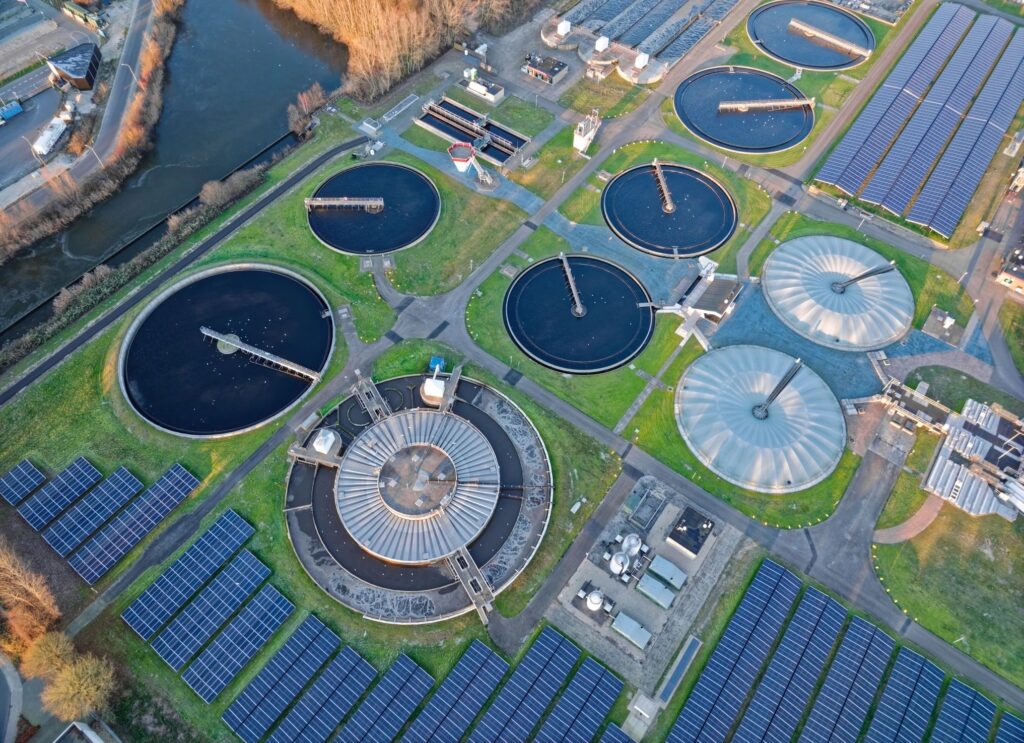
Operating a wastewater treatment plant is about much more than turning pumps on and off. Every day, operators are responsible for protecting public health, meeting permit requirements, maintaining equipment, collecting accurate data, and ensuring the treatment process runs efficiently.
Whether you’re a new operator, an Operator-in-Training (OIT), or an experienced professional looking to improve your plant’s performance, understanding the fundamentals of wastewater plant operations is essential.
This guide covers the core responsibilities of wastewater treatment plant operations and provides links to key areas every operator should understand.
Understanding Wastewater Plant Operations
The primary goal of a wastewater treatment plant is simple: remove contaminants from wastewater before it is discharged back into the environment.
Achieving this goal requires operators to manage several interconnected systems, including:
- Preliminary treatment
- Primary clarification
- Biological treatment
- Secondary clarification
- Disinfection
- Sludge handling and processing
- Laboratory testing
- Equipment maintenance
A problem in any one of these areas can affect the entire treatment process.
Successful operators develop a routine that combines process monitoring, equipment inspections, preventative maintenance, and documentation.
Wastewater Plant Startup Procedures
Startup procedures are critical whenever a treatment process, pump station, clarifier, blower, or entire facility has been offline.
A proper startup helps prevent:
- Equipment damage
- Process upsets
- Permit violations
- Safety hazards
Before startup, operators should:
- Verify equipment condition
- Check lubrication levels
- Inspect valves and piping
- Confirm power availability
- Review startup checklists
- Monitor process performance closely after startup
Every facility should maintain written startup procedures specific to its equipment and treatment processes.
Wastewater Plant Shutdown Procedures
Shutdowns may be planned or unplanned.
Planned shutdowns typically occur during maintenance projects, equipment replacement, or process modifications.
Operators should:
- Notify affected personnel
- Follow lockout/tagout procedures
- Secure treatment processes
- Protect equipment from damage
- Document shutdown activities
Emergency shutdown procedures should also be established and practiced regularly.
Having a clear shutdown plan can significantly reduce downtime and operational risks.
Wastewater Operator Daily Duties
The day-to-day responsibilities of wastewater operators often include:
Plant Inspections
Operators perform routine walkthroughs to identify:
- Leaks
- Unusual noises
- Equipment malfunctions
- Safety hazards
- Process abnormalities
Process Monitoring
Operators monitor:
- Dissolved oxygen
- pH
- MLSS
- Sludge blanket levels
- Flow rates
- Chlorine residuals
- Effluent quality
Record Keeping
Accurate records help demonstrate compliance and identify process trends before they become major problems.
Documentation may include:
- Flow readings
- Laboratory results
- Maintenance activities
- Chemical usage
- Equipment inspections
Consistent recordkeeping is one of the most important habits an operator can develop.
Wastewater Laboratory Testing Procedures
Laboratory testing provides the data operators need to make process control decisions.
Common wastewater laboratory tests include:
- pH
- Dissolved oxygen
- BOD
- TSS
- Ammonia
- Nitrate
- Phosphorus
- Chlorine residual
Testing procedures should follow approved methods and quality control requirements.
Even small testing errors can lead to incorrect process adjustments and regulatory issues.
Wastewater Sample Collection Procedures
A laboratory result is only as good as the sample collected.
Operators should understand:
- Grab sampling
- Composite sampling
- Sample preservation
- Chain of custody requirements
- Proper sample locations
- Holding times
Consistent sampling techniques help ensure data accuracy and regulatory compliance.
Improper sampling can produce misleading results that affect operational decisions.
Wastewater Treatment Safety Procedures
Safety must remain the highest priority in any wastewater facility.
Common hazards include:
- Confined spaces
- Electrical systems
- Rotating equipment
- Hazardous chemicals
- Biological exposure
- Slips, trips, and falls
Every operator should receive training in:
- Lockout/tagout
- Confined space entry
- Chemical handling
- Emergency response
- PPE requirements
Strong safety cultures protect employees and improve overall plant performance.
Preventive Maintenance in Wastewater Plants
The most reliable facilities focus heavily on preventive maintenance.
Rather than waiting for equipment failures, operators perform routine inspections and maintenance tasks to prevent problems before they occur.
Preventive maintenance may include:
- Lubrication schedules
- Pump inspections
- Motor testing
- Belt replacement
- Vibration monitoring
- Valve exercising
- Instrument calibration
A well-implemented maintenance program reduces emergency repairs and extends equipment life.
Wastewater Maintenance Checklists
Maintenance checklists help ensure critical tasks are not overlooked.
Many facilities use checklists for:
Daily Tasks
- Pump inspections
- Blower inspections
- Chemical feed checks
- Flow verification
Weekly Tasks
- Equipment cleaning
- Lubrication checks
- Safety equipment inspections
Monthly Tasks
- Calibration verification
- Preventive maintenance inspections
- Backup equipment testing
Standardized checklists improve consistency across shifts and operators.
Wastewater Operator Log Sheets
Shift logs provide a record of plant conditions and activities.
A good log sheet should include:
- Date and time
- Weather conditions
- Flow readings
- Process observations
- Equipment issues
- Maintenance activities
- Laboratory results
- Operator notes
Well-maintained logs help identify trends, improve communication, and support regulatory compliance.
Wastewater Treatment Plant Checklists
Checklists are among the most effective tools operators can use.
Examples include:
- Startup checklists
- Shutdown checklists
- Safety inspection checklists
- Maintenance checklists
- Laboratory checklists
- Compliance checklists
Checklists help reduce mistakes, improve accountability, and ensure important tasks are completed consistently.
Building a Successful Wastewater Operations Program
The best wastewater treatment plants share several characteristics:
- Strong safety culture
- Accurate recordkeeping
- Preventive maintenance programs
- Consistent laboratory testing
- Clear operating procedures
- Continuous operator training
Success in wastewater operations is rarely the result of one major action. It comes from performing hundreds of small tasks correctly every day.
Operators who focus on safety, process control, maintenance, and documentation create facilities that run more efficiently, experience fewer permit violations, and provide better service to their communities.
Final Thoughts
Wastewater treatment plant operations require technical knowledge, attention to detail, and a commitment to continuous improvement.
Whether you’re monitoring biological treatment, collecting samples, maintaining equipment, or documenting plant performance, every task plays an important role in protecting public health and the environment.
By mastering startup procedures, shutdown procedures, laboratory testing, safety practices, preventive maintenance, and daily operational routines, operators can build successful careers while helping their facilities operate at the highest level.