Author: opsclimb

  • How to Operate a Small Wastewater Plant Alone

    Running a Small Plant Is Different

    Operating a small plant alone teaches you quickly:
    👉 you are operations, maintenance, troubleshooting, and sometimes management all at once.

    There’s nobody standing next to you constantly.

    That means organization matters.

    Step 1: Build a Daily Routine

    Small plants run smoother when you follow the same process daily.

    My routine usually includes:

    • flow checks
    • DO checks
    • visual inspection
    • pumps
    • alarms
    • clarifiers
    • chemical levels

    Consistency catches problems early.

    Step 2: Learn Your Plant’s “Normal”

    This is critical.

    Every small plant has:

    • normal sounds
    • normal flows
    • normal smells
    • normal settling

    When something changes, you notice quickly.

    Step 3: Prioritize Preventive Maintenance

    Small problems become emergencies fast when you work alone.

    I stay ahead on:

    • grease
    • pump inspections
    • belt checks
    • cleaning sensors
    • exercising valves

    Step 4: Stay Organized

    I keep:

    • notes
    • logs
    • maintenance records
    • troubleshooting observations

    When problems happen later, those notes matter.

    Step 5: Don’t Ignore Small Changes

    Most plant failures give warning signs first.

    Cloudier effluent.
    Higher amps.
    Slight odor changes.

    Pay attention early.

    Final Thought

    Small plants reward operators who are observant and proactive.

    The goal is stability—not heroics.

  • Wastewater Lab Mistakes Beginners Make

    Mistake 1: Trusting Every Number Blindly

    Lab results can be wrong.

    I always compare:

    • trends
    • plant conditions
    • visual observations

    One strange result doesn’t always mean the plant is failing.

    Mistake 2: Poor Sample Handling

    Improper:

    • storage
    • timing
    • preservation

    Can ruin tests before analysis even starts.

    Mistake 3: Dirty Equipment

    Cross-contamination happens easily.

    Good cleaning habits matter.

    Mistake 4: Rushing Procedures

    Skipping steps creates unreliable results.

    Slow, consistent lab work is usually more accurate.

    Mistake 5: Ignoring Calibration

    Meters drift over time.

    Regular calibration prevents false readings.

    Final Thought

    The best operators don’t just run tests.

    They understand:

    • what the results mean
    • whether the data makes sense
    • how it connects to plant performance
  • How to Collect Composite Samples in Wastewater

    Why Composite Sampling Matters

    Grab samples only show one moment in time.

    Composite samples show:
    👉 what happens over hours or an entire day.

    That gives a much more representative result.

    Types of Composite Samples

    Most common:

    • time-based
    • flow-proportional

    Flow-proportional is usually more accurate.

    Step 1: Use Clean Containers

    Contamination ruins results quickly.

    I always:

    • rinse equipment properly
    • avoid dirty tubing
    • keep lids closed

    Step 2: Keep Samples Preserved

    Temperature matters.

    Samples are usually kept:

    • cooled on ice
    • refrigerated

    This slows biological changes.

    Step 3: Mix Properly Before Testing

    Solids settle during storage.

    Before testing:
    👉 mix the sample thoroughly

    Otherwise results may be inaccurate.

    Common Sampling Mistakes

    • poor preservation
    • incorrect timing
    • contaminated containers
    • missed sample intervals

    Final Thought

    Good lab results start with good sampling.

    Poor samples create misleading process data.

  • How to Calibrate a DO Probe in Wastewater

    Why DO Calibration Matters

    Bad DO readings create bad process decisions.

    If your meter is wrong:

    • aeration adjustments may be wrong
    • nitrification may suffer
    • operators chase fake problems

    Step 1: Inspect the Probe

    Before calibration I check:

    • membrane condition
    • electrolyte
    • cable condition
    • cleanliness

    Dirty probes cause inaccurate readings.

    Step 2: Allow Temperature Stabilization

    DO readings depend heavily on temperature.

    I let the probe stabilize before calibrating.

    Step 3: Calibrate According to Manufacturer Instructions

    Most probes use:

    • air calibration
    • saturated water calibration

    I follow plant SOPs carefully.

    Step 4: Verify Accuracy

    After calibration:

    • compare readings
    • test in known conditions

    I never assume calibration worked perfectly.

    Common Problems

    • damaged membranes
    • low electrolyte
    • fouling
    • poor storage practices

    Final Thought

    A clean, calibrated DO probe is one of the most important tools in biological treatment.

  • What Causes High BOD in Wastewater?

    What High BOD Usually Means

    High BOD means:
    👉 too much organic material entering or remaining in the system.

    That usually signals:

    • overload
    • poor treatment
    • industrial discharge
    • biological instability

    Cause 1: High Organic Loading

    Large increases in:

    • food waste
    • industrial waste
    • septage
    • storm events

    Can spike BOD quickly.

    Cause 2: Poor Aeration

    If biology lacks oxygen:

    • treatment efficiency drops
    • organics remain untreated

    I always check DO first.

    Cause 3: Sludge Age Problems

    Young sludge or washed-out biology can reduce BOD removal efficiency.

    I review:

    • wasting rates
    • MLSS
    • sludge age

    Cause 4: Toxic Loads

    Industrial chemicals or toxic discharges can damage microorganisms.

    Signs:

    • sudden performance drops
    • ammonia spikes
    • poor settling

    Final Thought

    High BOD is usually a symptom of process instability—not just a random lab number.

  • Why Some Operators Never Move Up

    Confident Street Maintenance Work Force

    Some operators stay stuck for years despite having experience.

    Usually the issue is not technical ability alone.

    1. They Stop Learning

    Some operators stop studying after getting one certification.

    Meanwhile, advancing operators continue learning:

    • troubleshooting
    • process control
    • leadership
    • regulations
    • maintenance systems

    Growth creates opportunity.

    2. Poor Communication

    Many operators know the process but cannot:

    • explain problems clearly
    • train others
    • handle conflict professionally

    Leadership requires communication.

    3. Negative Reputation

    Plants remember attitudes.

    Operators who constantly:

    • complain
    • resist change
    • avoid responsibility

    often get overlooked.

    4. Lack of Initiative

    Some operators wait to be told everything.

    Leaders usually:

    • identify problems early
    • volunteer solutions
    • take ownership

    Initiative gets noticed.

    5. Ego

    One of the fastest ways to stall a career is acting like you already know everything.

    The best operators usually remain teachable even after years in the field.

  • Lagoon Wastewater Treatment Troubleshooting

    Why Lagoons Can Be Tricky

    A lot of people think lagoon systems are “easy.”

    Sometimes they are. Until something goes wrong.

    Then suddenly you’re dealing with:

    • odors
    • algae blooms
    • poor discharge quality
    • sludge buildup
    • low dissolved oxygen

    And because lagoons respond slowly, problems can sneak up on you.

    Problem 1: Bad Odors

    This is one of the most common lagoon complaints.

    Usually, strong odors mean:

    • low oxygen
    • septic conditions
    • overloaded lagoon
    • sludge accumulation

    What I Check First

    • DO levels
    • aerator operation
    • flow increases
    • sludge depth

    What Usually Helps

    • increase aeration
    • improve mixing
    • reduce dead zones
    • remove excess sludge if needed

    Problem 2: Excessive Algae

    Some algae is normal.

    Too much algae causes:

    • high TSS
    • floating solids
    • poor effluent clarity

    Common Causes

    • shallow water
    • excessive sunlight
    • high nutrients
    • long detention times

    What I Do

    • monitor detention time
    • reduce short-circuiting
    • improve flow patterns

    Problem 3: Low Dissolved Oxygen

    Low DO creates bigger problems fast.

    Signs include:

    • odors
    • dark water
    • sluggish biology

    My First Checks

    • aerator performance
    • electrical issues
    • overloaded flow conditions

    Problem 4: Sludge Accumulation

    Every lagoon slowly fills with sludge over time.

    Signs:

    • reduced treatment efficiency
    • odors
    • poor settling

    At some point:
    👉 sludge removal becomes necessary

    Final Thought

    Lagoons reward operators who pay attention consistently.

    Most major problems start small.

  • Wastewater Operator Salary Increase Tips

    The Biggest Mistake Operators Make

    Most operators wait for raises to happen automatically.

    In my experience, the people who make the most money:

    • become valuable
    • solve problems
    • make themselves difficult to replace

    That’s the game.

    Tip 1: Get Higher Certifications

    This is the fastest salary lever in wastewater.

    Higher licenses often mean:

    • automatic pay increases
    • promotion eligibility
    • overtime opportunities

    Many operators stop at the minimum level required.

    That’s a mistake.

    Tip 2: Become the “Reliable Problem Solver”

    Plants remember the operator who:

    • handles emergencies calmly
    • fixes issues
    • learns systems
    • trains newer operators

    Those people become leads and supervisors.

    Tip 3: Learn More Than Operations

    Operators who understand:

    • lab work
    • pumps
    • controls
    • maintenance
    • compliance

    Become much more valuable.

    Tip 4: Don’t Ignore Small Plants

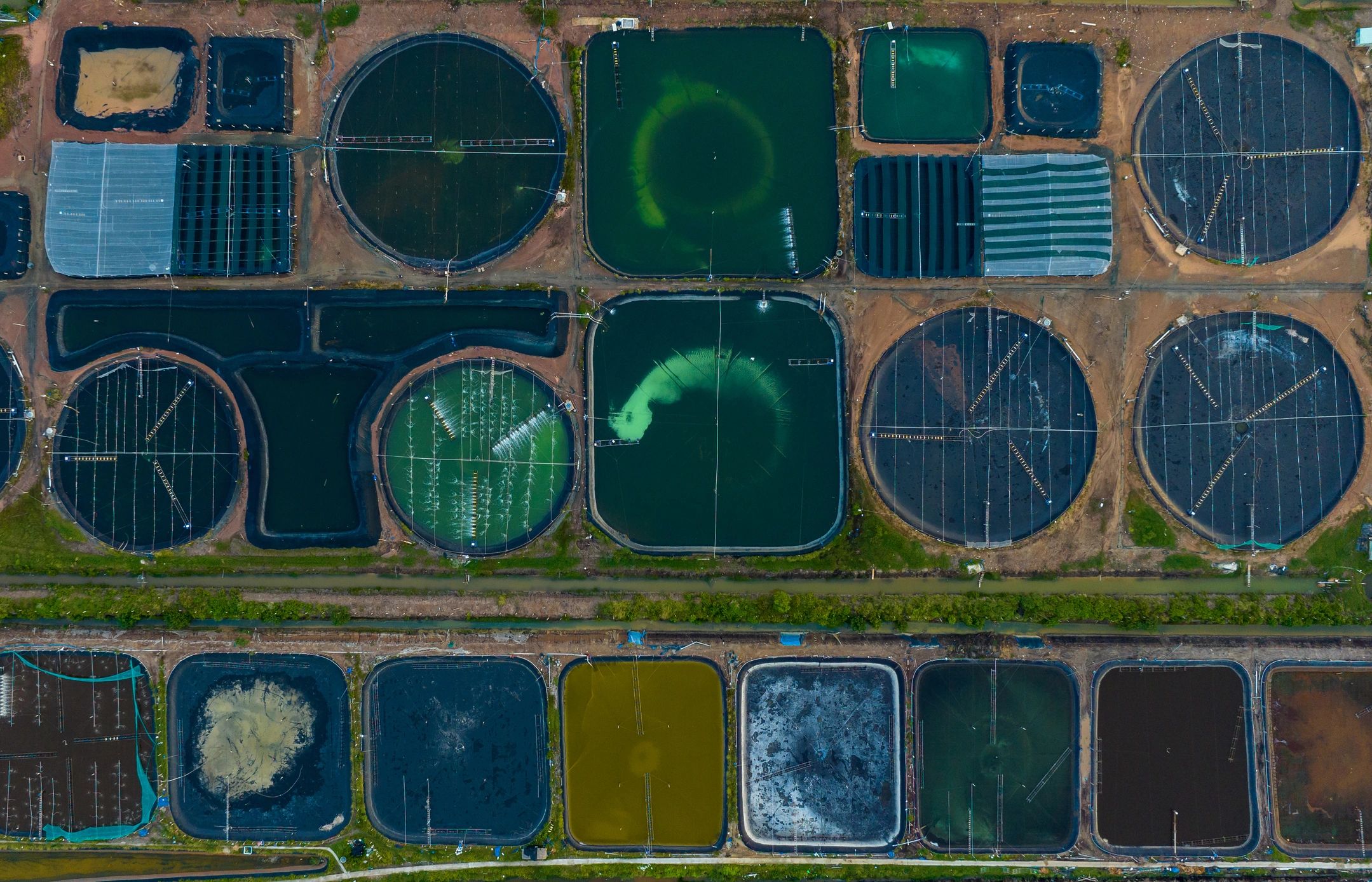
    Abstract aerial photo of shrimp farm in coastal Ha Tien, Kien Giang province

    A lot of operators chase large municipalities.

    But smaller systems often provide:

    • faster promotions
    • broader experience
    • more responsibility

    That experience compounds fast.

    Tip 5: Use Overtime Strategically

    Wastewater has one huge advantage:
    👉 overtime availability

    Used correctly, overtime can dramatically increase yearly income.

    Final Thought

    The operators making the most money usually aren’t the smartest.

    They’re the most useful.

  • Wastewater Side Hustles for Operators

    Why Operators Have a Huge Advantage

    Most operators don’t realize how valuable their knowledge actually is.

    Very few people understand:

    • treatment processes
    • troubleshooting
    • regulations
    • plant operations

    That creates opportunity.

    Side Hustle 1: Study Guides & Exam Help

    New operators constantly search for:

    • math help
    • practice tests
    • simplified explanations

    This is a huge digital product opportunity.

    Side Hustle 2: Operator Resume Services

    Many operators struggle to:

    • build resumes
    • apply for promotions
    • switch plants

    A simple resume template product can sell surprisingly well.

    Side Hustle 3: Wastewater Content Websites

    There’s very little practical wastewater content online.

    That creates SEO opportunities around:

    Side Hustle 4: Consulting for Small Plants

    Smaller systems often need:

    • documentation help
    • troubleshooting assistance
    • operational guidance

    Especially in rural areas.

    Side Hustle 5: Training Materials

    Simple products work well:

    • checklists
    • cheat sheets
    • troubleshooting guides
    • SOP templates

    Final Thought

    Operators sit on valuable knowledge every day.

    Most never monetize it.

  • How to Get Promoted at a Wastewater Plant

    How to Get Promoted at a Wastewater Plant

    Promotions Start Before the Position Opens

    A lot of operators think promotions happen during interviews.

    Usually, the decision is already mostly made beforehand.

    Business persons on meeting in the office.

    Management already knows:

    • who they trust
    • who handles pressure
    • who creates problems

    That reputation matters more than people realize.

    Step 1: Become Consistent

    The easiest way to stand out:

    • show up
    • be dependable
    • stay calm under pressure

    Consistency is rare.

    Step 2: Learn the Entire Plant

    Most operators only learn:

    • “their shift”
    • “their area”

    The people who get promoted learn:

    • lab
    • solids handling
    • pumps
    • compliance
    • troubleshooting

    That makes them leadership material.

    Step 3: Don’t Be the Constant Complainer

    Every plant has one.

    The operator who:

    • complains nonstop
    • resists changes
    • spreads negativity

    Managers notice this immediately.

    Step 4: Train New Operators

    Teaching others signals leadership.

    Even informal mentoring helps your reputation.

    Step 5: Handle Problems Without Panicking

    Plants promote operators who stabilize situations—not create chaos.

    That matters a lot more than people think.

    Final Thought

    Promotions usually go to the operator management trusts most—not necessarily the one with the most knowledge.